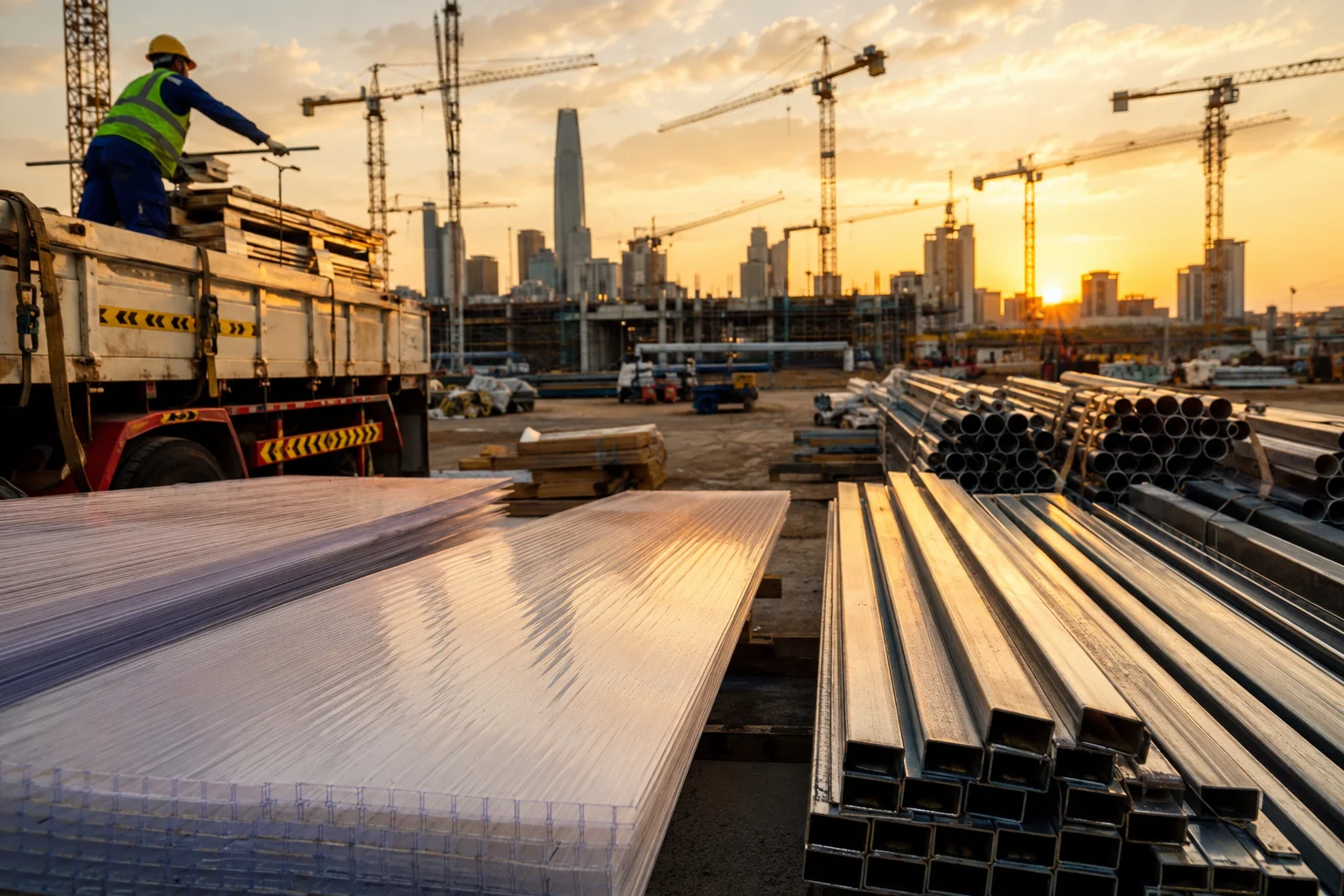
Saudi Arabia's construction sector isn't just growing — it's reshaping how projects are planned, procured, and delivered.
Driven by Vision 2030, the Kingdom is investing heavily in infrastructure, housing, commercial developments, and mega-projects. Industry forecasts estimate the Saudi construction market will reach approximately SAR 232 billion in 2026, with continued long-term growth expected through the end of the decade. Behind these impressive figures lies a transformation that matters even more to contractors, consultants, and procurement teams: how construction materials are sourced is changing rapidly.
The Traditional Import Model Is Being Re-evaluated
For many years, imported construction materials were considered the default choice for numerous projects. Established international brands, familiar specifications, and predictable procurement processes created confidence among project teams.
However, recent geopolitical events affecting regional shipping routes have demonstrated that even well-established global supply chains can experience unexpected disruptions. Delays, increased freight and insurance costs, and changes to shipping routes have encouraged procurement teams to reassess long-standing sourcing strategies.
For projects operating under fixed schedules and contractual milestones, supply chain uncertainty can directly affect delivery timelines, installation schedules, and overall project planning.
Greater Focus on Compliance and Traceability
Alongside supply chain considerations, material compliance has become increasingly important. Saudi Building Code requirements and SASO conformity assessments place strong emphasis on product quality, documentation, and compliance for many construction materials. Project teams today often require comprehensive technical documentation, product certifications, and clear material traceability before approving products for use.
Rather than simply selecting a material based on specification alone, procurement teams increasingly evaluate whether suppliers can provide timely documentation, technical support, and consistent quality assurance throughout the project lifecycle.
As a result, suppliers capable of delivering complete documentation and responsive technical assistance are becoming increasingly valuable partners.
The Growing Role of Local Manufacturing
This shift doesn't mean imported materials no longer have a place. Many specialized products will continue to rely on international manufacturers.
However, where high-quality products are manufactured locally, project teams are increasingly recognizing several practical advantages. Local manufacturing can significantly reduce lead times, minimize exposure to international shipping disruptions, simplify communication, and enable faster access to technical documentation and customer support. Working within the same market also allows suppliers to respond more quickly to changing project requirements.
For products such as solid polycarbonate sheets and PMMA (acrylic) sheets, locally manufactured solutions can provide greater procurement flexibility while supporting consistent project delivery.
What This Means for Procurement Teams
As Saudi Arabia's construction industry continues to expand, procurement decisions are becoming more strategic than ever before. Questions that were once secondary are now central to supplier selection:
- How resilient is the supplier's supply chain?
- Can technical documentation be provided quickly when requested?
- Is full product traceability available?
- Will technical support be accessible throughout the project?
- Can lead times be maintained if project schedules change?
These considerations are no longer exceptional. They are becoming standard procurement criteria across many construction projects in the Kingdom.
Looking Ahead
Saudi Arabia's construction boom is creating tremendous opportunities across the entire building materials industry. At the same time, it is encouraging project teams to place greater emphasis on supply chain resilience, regulatory compliance, and supplier responsiveness.
While product performance remains essential, procurement decisions increasingly extend beyond the material itself. Reliability, documentation, technical expertise, and local support have become important factors in delivering successful projects on time and within specification.
As the market continues to evolve, manufacturers that combine consistent product quality with dependable local support and strong technical capabilities will be well positioned to help meet the growing demands of Saudi Arabia's construction sector.
Sourcing materials for your next Saudi project?
APIC manufactures solid polycarbonate sheets, PMMA (acrylic) sheets, and engineering compounds in Jeddah under an ISO 9001:2015-certified quality system. Contact our technical team for documentation, specifications, and support.